
The power of 'connection' in a digital age

Human connections have always been at the heart of society. Whether we’re talking about personal relationships, customer experiences, or brand loyalty, our need to connect and relate to others is key to our happiness. But with technology being ever present in our lives, the way we connect is evolving. Rapidly. The challenge for businesses is not only to form and foster connections, but to fast-forward them in a way that remains authentic and genuine.

Over the coming months, we’ll explore in detail how businesses can use technology to enhance, rather than hinder, connections; how creating inclusive and engaging customer experiences can facilitate these relationships; and how brands can build authentic bonds with their audiences, both on- and offline. Today we’ll introduce this theme to help you to start thinking about the power your brand has in forming, fostering and fast-forwarding connections.

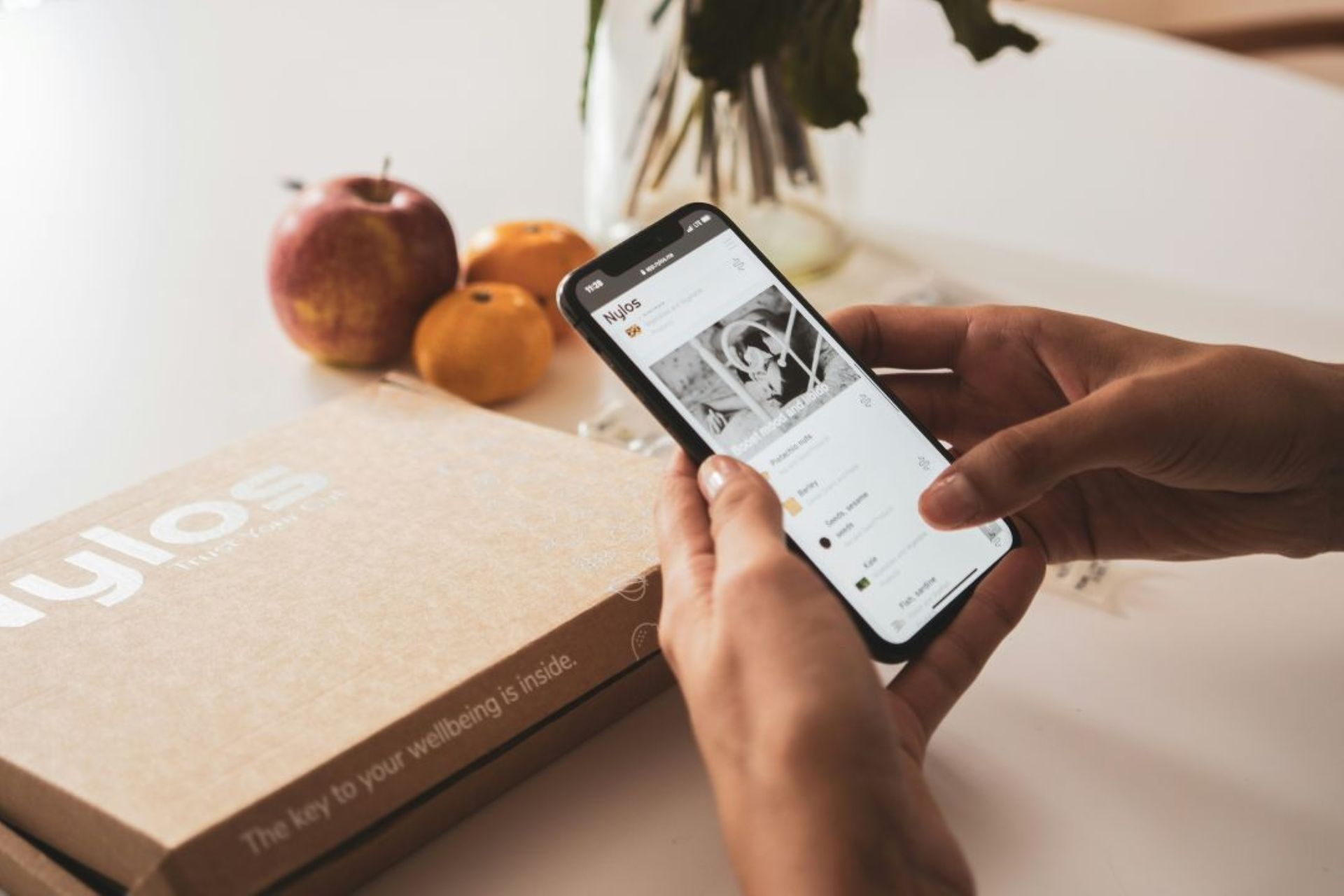
Close up of a person holding a mobile phone showing the home screen of a brand profile with a branded box nearby

HOW CAN YOUR BRAND HARNESS TECHNOLOGY TO FORM RELATIONSHIPS WITH CONSUMERS?

The tech landscape in 2025 needs very little introduction. From apps to AI, devices to data, technology underpins virtually every interaction we have with other people, and with brands. While there are undeniable benefits to technology, especially in bringing people together all over the world, it has also created a sense of distance between us. Endless emails, automated replies, virtual conferences and voice notes, all leave us feeling disconnected from the person behind the screen. But that doesn’t have to be the case.

Businesses can use technology – as can we all – to bring people closer together. One way to form a connection faster is through greater personalisation. Generic messages and one-size-fits-all solutions create a disconnect from the start, as nobody wants to feel part of the crowd or like they are just another data point. Brands have the tools and technology to close that gap through personalised communications and offers, forming a connection from the very first interaction or encounter. Brands that make a person feel seen, valued and understood as an individual, will form a connection that can be nurtured for life.

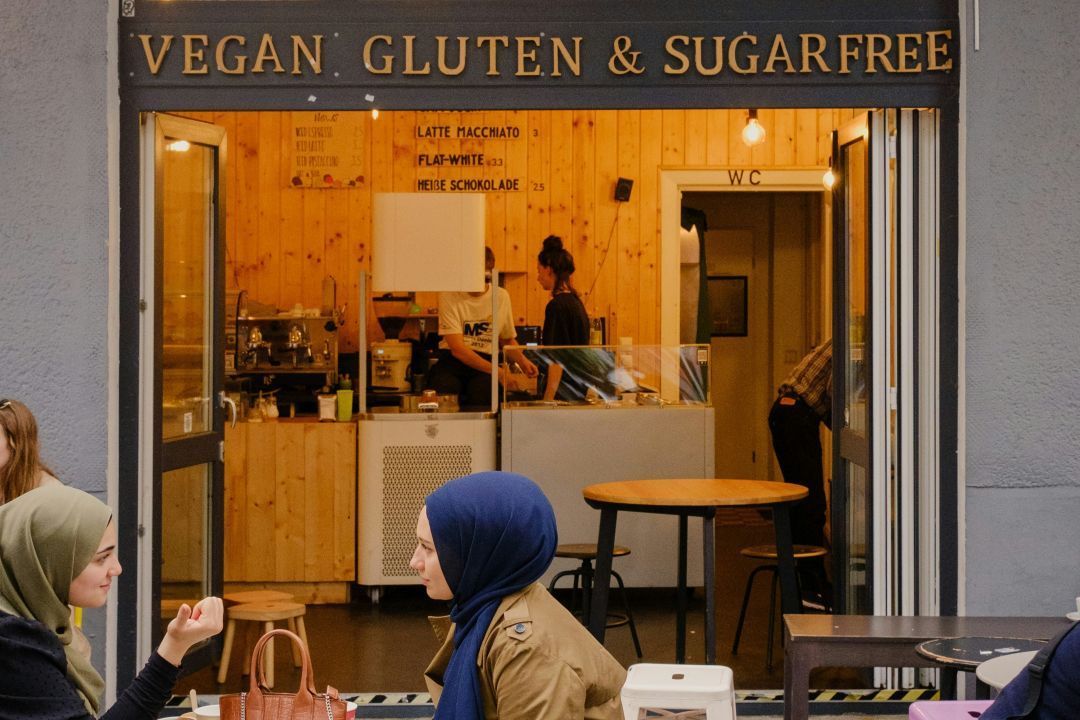
Two women in headscarves sit outside a coffee shop showing a sign for 'vegan gluten & sugar free'

HOW CAN YOUR BRAND FOSTER CONNECTIONS THROUGH INCLUSIVE AND ENGAGING EXPERIENCES?

Perhaps more challenging to understand and respond to than the tech landscape, is the growing need for inclusive spaces and experiences. Inclusivity – be it language options, physical accessibility, or cultural relevance and respect – is no longer optional. Accessibility for all should be table stakes for brands, whether that means providing screen readers at checkout, voice navigation in aisles, or mobility ramps as standard, every customer should feel welcome.

But more than this, brands can foster connections by making environments, experiences and interactions culturally sensitive. This goes beyond physical spaces that are fit for purpose for all, and includes recognising differences in communication styles, values, and expectations. From personalising messages to tailoring products, brands that can meet the needs of diverse groups, will foster stronger emotional connections, and be well on the way to a lifelong bond.

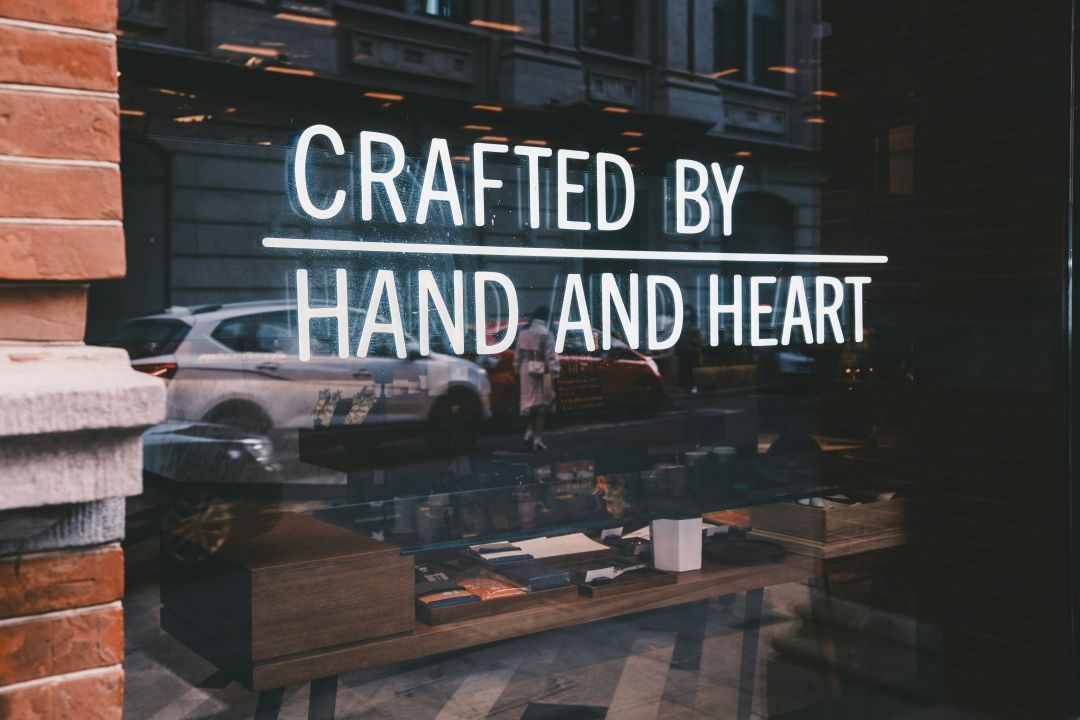
A window displays a sign for 'crafted by hand and heart'

HOW CAN YOUR BRAND FAST-FORWARD A CONNECTION WITHOUT LOSING AUTHENTICITY?

The goal of most consumer-brand connections is to sell, and sell fast. There is a growing sense of urgency today that nudges us to click, scroll, and swipe our way through the world as quickly as possible. But while we’re all complicit in this high-speed consumption cycle, consumers won’t tolerate transactional relationships. They want authenticity. They want to feel a connection with brands that reflect their values. So, how do brands navigate the slow burn as well as the need for speed?

The key is to fast-forward existing human connections whilst remaining authentic. In fact, authenticity, transparency and shared values will help to fast-forward the bond. Storytelling with purpose is a great way to communicate not just what your brand does, but why you do it. Sharing a brand’s purpose and values openly helps consumers to feel like they are part of something bigger than a transaction. The alignment of values, the respect for transparency, and the building of trust through this type of human-to-human communication, fast-forwards the connection to one of trusted transactions and long-term loyalty.

As technology continues to shape our lives, the importance of connection remains as strong as ever. As discussed in this article, brands have an opportunity to help form, foster and fast-forward connections, both physical and psychological, with their consumers. But with 43% of Brits finding it difficult to meet new people (Opinium, 2025), there is an even bigger opportunity for brands to become the facilitators of connection between people. It is this lens that we will explore further in future blog posts, highlighting brands like M&S, Costa, and Specsavers, that have successfully facilitated connections with and between consumers.

EXPLORE MORE OF CHATTERBOX

Some of our recent blog posts include:

9 June 2026
If there’s one thing I’ve learned while leading Journeys & Decisions , it’s this: people rarely make decisions the way they think they do. It doesn’t matter whether someone is trying to choose what to eat, where to travel, which product to trust for their health or what to buy for their home, people give us beautifully packaged stories about their decisions. But the behaviour underneath? A lot more tangled, emotional and instantly influenced than they realise. And for me, that gap the ‘say-do gap’ is where the real magic happens.

20 May 2026
Culture shapes how people think, communicate, shop and make decisions. A product, message, or marketing strategy that works well in one culture may fail, or even offend, in another. Last week, the AQR hosted the Culturama event at Boxclever HQ, with inspiring talks from Jamie Oyebode (Davies + McKerr), Dr. Nick Gadsby (The Answer) and Oliver Sweet (Author / Ipsos) and some thought-provoking discussions around how culture is evolving and what that means for the way we approach research. Here’s a quick round-up of some of the key insights discussed and how they can shape our thinking going forward.

12 May 2026
Let’s be honest: most proposition development processes look fine on paper. Flowcharts. Stage gates. “Consumer-led innovation” posters. A workshop with too many Post‑its. Then… a launch that underwhelms, a price that gets “rounded”, and a product team quietly moving on to the next shiny thing. And the scary bit? The cost isn’t always dramatic. It’s silent. It shows up as: investment in propositions you can deliver (not the ones you should), pricing bolted on at the end, and consumer insight that arrives too late — or so early it gets forgotten. That’s when millions get quietly wasted and growth stalls.  So, what separates the brands that win from the ones that “nearly” do?
Show More